As an Amazon Associate I earn from qualifying purchases.
Automotive Cybersecurity: Introduction & Fundamentals
Automotive Cybersecurity: Einführung, technische Grundlagen, gesetzliche Regelungen
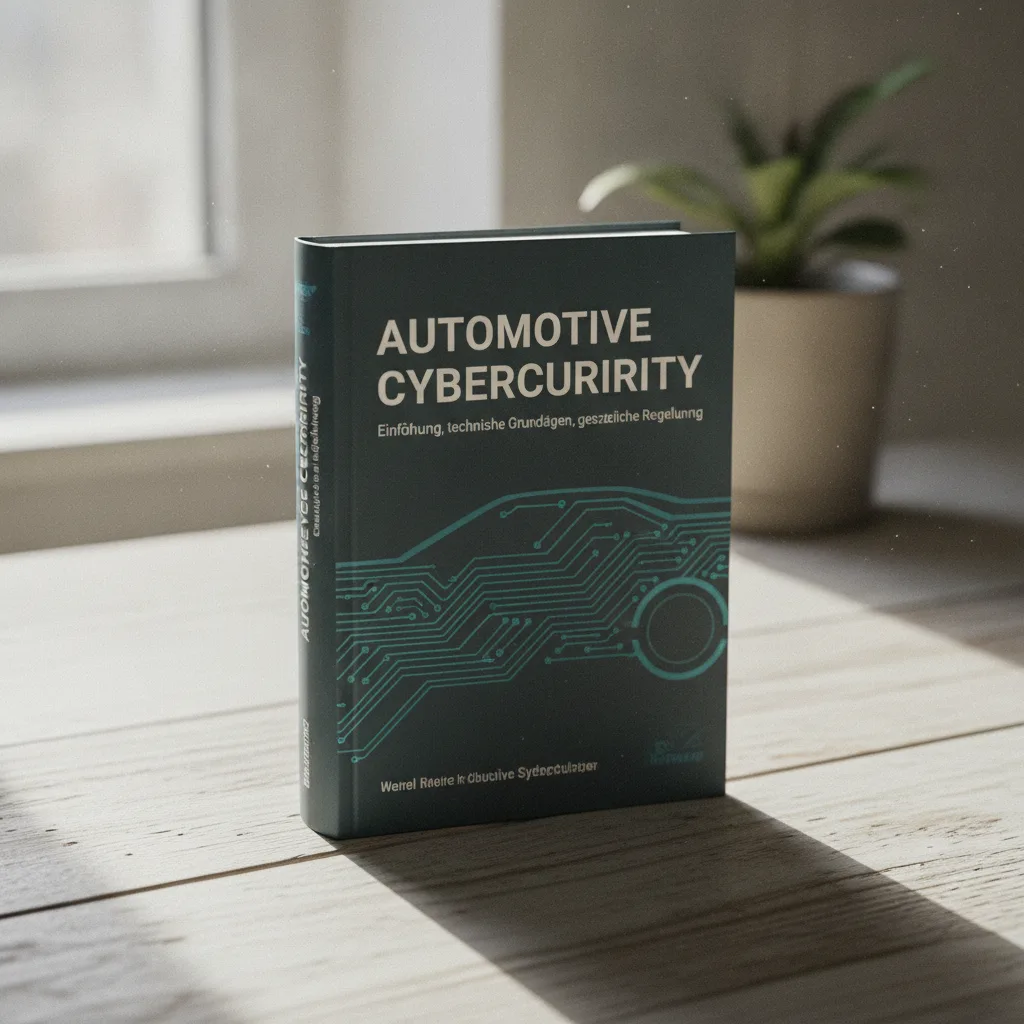 AI-generated
 Product photo
First image is an AI staging by primlio · remaining images from the manufacturer
In detail
Anyone working professionally with connected vehicles can't avoid this topic: modern cars today are more software than sheet metal, packed with control units, wireless interfaces, and cloud connections. That's exactly what makes them vulnerable. This book tackles automotive cybersecurity in its full breadth – from technical fundamentals through concrete attack vectors to the legal frameworks like UN R155 and ISO/SAE 21434, which are now mandatory for vehicle manufacturers and suppliers. For those coming from classic IT security who now need to get up to speed on the vehicle world, this book is a solid entry point: it explains why CAN bus, Ethernet backbones, and OTA updates bring their own distinct threat models, and how classic security concepts translate into this domain. Conversely, readers coming from automotive engineering get IT security fundamentals explained in an accessible way, without needing a computer science degree beforehand. Especially valuable is the look at the regulatory side. Since the UN R155 regulation on cybersecurity management systems took effect in the automotive industry, "it works" is no longer enough on its own – manufacturers must demonstrate that they manage risk systematically across the entire vehicle lifecycle. The book contextualizes these requirements and shows what they mean in practice for development, procurement, and operations. Content-wise, the book moves between theory and practical relevance: core concepts are introduced cleanly but are repeatedly mirrored against real vehicle architectures and known attack scenarios. That makes it accessible to students and career starters who want a well-founded overview before diving into specialized literature on individual sub-topics. Anyone working in the automotive industry, at suppliers, or in vehicle IT who wants to understand why cybersecurity has become just as much a mandatory part of the process as crash testing will find a solid, well-structured foundation here. This isn't a book for a quick skim – it's for readers who genuinely want to work through the subject.
Pros & cons
What speaks for it
- Covers technical fundamentals AND legal regulations (UN R155, ISO/SAE 21434) in one volume
- Accessible entry point for people coming from either IT security or automotive engineering
- Practical grounding through real vehicle architectures and attack scenarios
- Solid foundation before diving into specialized literature
What to consider
- Not a substitute for in-depth specialist works on individual sub-topics
- Regulations keep evolving, so some details may be superseded by future revisions
Frequently asked
Use cases
- Onboarding for IT security professionals transitioning into the automotive industry
- Preparing for compliance requirements like UN R155 and ISO/SAE 21434 in development or procurement
- Foundational reading for students and career starters in vehicle IT security
Books on cybersecurity, hacking, and data protection — for anyone who wants to actually understand IT security, not just repeat the buzzwords.