As an Amazon Associate I earn from qualifying purchases.
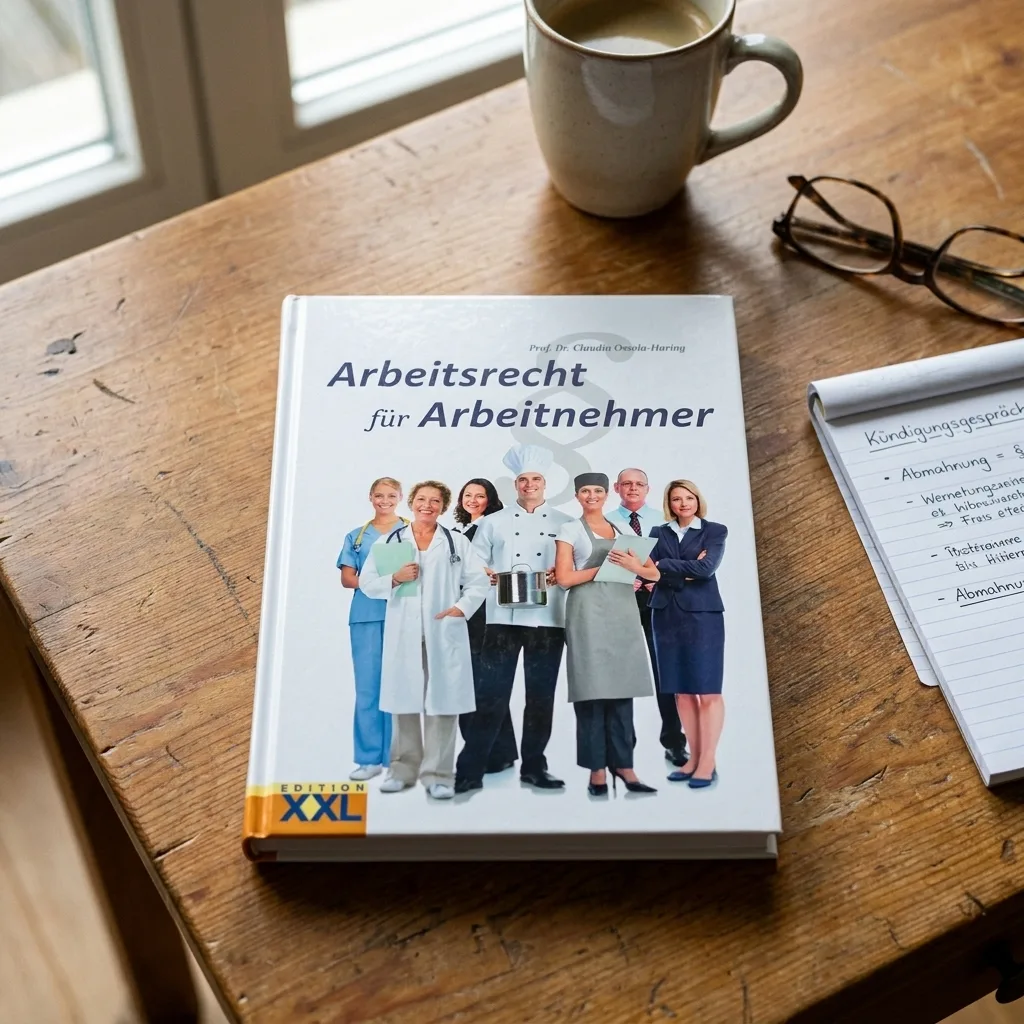 AI-generated
 Product photo
First image is an AI staging by primlio · remaining images from the manufacturer
In detail
If you've ever found yourself in a workplace dispute – an unexpected dismissal, a formal warning, or a fight over unpaid overtime – you'll know how powerless it feels to face an employer without any legal background. They often have legal support on their side. What does the employee have? Ideally: a good book. "Arbeitsrecht für Arbeitnehmer" (Employment Law for Employees) speaks directly to that gap. It's not a dry academic text for law students, but a practical guide written for working people who want to understand their rights in plain language. What is an employer actually allowed to do? What don't you have to put up with? And what should you know before you sign anything – or before you walk into a meeting with HR? The book covers the key pillars of German employment law: contract formation, entitlements around holiday and sick leave, termination procedures, formal warnings (Abmahnungen), and employment references. What makes it useful in practice is its focus on real-world conflict situations, not just theoretical legal constructs. Germany's employment law landscape is notoriously complex – a web of statutes, collective agreements, and workplace agreements that can feel impenetrable without guidance. This book helps cut through that complexity, giving employees the orientation they need without requiring a law degree. Whether you're starting a new job, navigating a difficult workplace relationship, or already in the middle of a dispute, having a reliable reference like this on your shelf is quietly invaluable. It's the kind of book you hope you'll never urgently need – but will be very glad to have when you do.
Pros & cons
What speaks for it
- Written accessibly – explains employment law without heavy legal jargon
- Covers the most common real-world situations: dismissal, formal warnings, holiday, sick leave
- Empowers employees to know their rights and act with confidence
- Compact reference to keep on the shelf for when it matters most
What to consider
- Law evolves: for very current questions, consulting a lawyer or union remains advisable
- The breadth of topics means highly niche situations may need further specialist research
Frequently asked
Use cases
- Preparing for a dismissal meeting or formal warning situation – knowing your rights helps you respond calmly and with purpose
- Getting oriented in a first job: understanding the employment contract, probation rules, and entitlements around holiday and sick leave
- A general reference for employees who want to get their bearings on a legal question before deciding whether to seek professional advice
Textbooks, commentaries, and practical guides — for everyone who wants to understand the law, not just pass an exam.