School Bag Check Before Enrollment: The Mistakes That Cost Kids Safety and Comfort
Between outdated tests and unclear weight guidelines — what parents should really check before the 2026 school start
 AI-generated
The 2026 school start: one date that shifts from state to state
For many families, preparation for enrollment begins months before the actual day — and even the date itself isn't uniform. Depending on the federal state, the 2026 school year begins between August 10 and September 15. Hesse starts earliest (August 10), followed by Saxony (August 17) and Berlin (August 24). Bavaria brings up the rear on September 15.
Important to know: the first day of school and the actual enrollment ceremony don't necessarily fall on the same day. Many schools schedule the ceremony for the first Saturday after the school year begins — the exact date and time is communicated to parents by the individual school beforehand.
 AI-generated
The problem with the "2026 school bag test"
Anyone searching online for a current school bag test frequently comes across articles promising a "2026 test." On closer inspection, though, these almost always rely on the same dataset: the official Stiftung Warentest test from February 7, 2019. No newer, official test was found at the time of this research.
Important for parents: A "2026" in the title of a school bag guide doesn't automatically mean current test data. The underlying test results still date back to 2019.
The 2019 results are still informative: of 22 models tested, 14 failed due to inadequate visual warning effect — meaning poor visibility and reflectivity in road traffic. Only 8 bags received a "good" rating. The test winners, both rated 1.7 ("good"), were the Ergobag Cubo Neo Edition Illumibär and the Ergobag Pack Neo Edition Strahlebär — both stood out for high visibility and a fit suited to small first-graders.
Weight: the underestimated risk on a child's back
Besides visibility, weight is the second big pitfall when buying a school bag. The currently valid guideline figures at a glance:
| Criterion | Recommendation |
|---|---|
| Empty school bag | approx. 1–1.3 kg (at ≥15 liters volume, depending on source) |
| Packed school bag | max. 10–12% of the child's body weight |
| Example: a 20 kg child | max. 2.4 kg total weight |
The NRW Ministry of Education also follows this rule of thumb, referencing the DIN 58124 standard, which likewise recommends a maximum of 12% of body weight as the bag's total weight. Exceeding this range while packing risks posture problems in a child whose musculature is still developing.
Checklist: what a first-grader actually needs
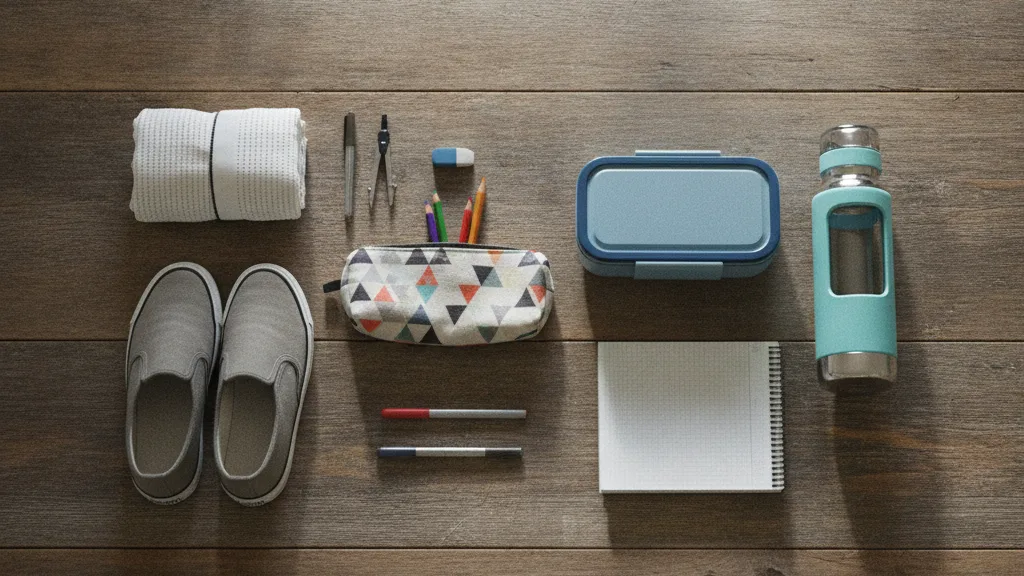
With the sheer volume of offers out there, many parents lose track of what's actually necessary. A sensible basic setup — logically sorted by use case, each product type listed only once:
- School bag – lightweight (see weight table above), clearly visible/reflective, sized to the child
- Gym bag – for sports clothing and indoor shoes, kept separate from the rest of the gear
- Pencil case with basic supplies – for pens and writing utensils
- Lunch box – leak-proof for snack breaks
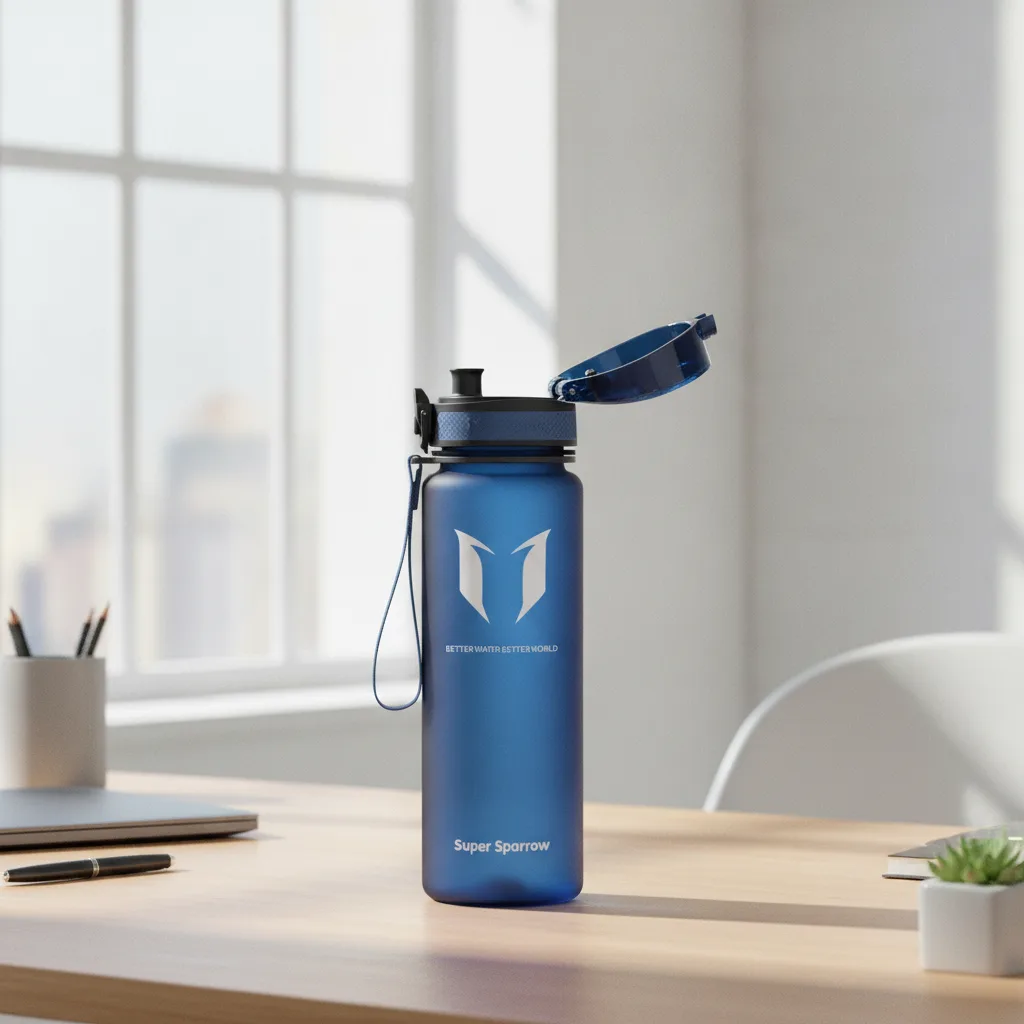
- Water bottle – separate from the lunch box, for the whole school day
- Indoor shoes – as a change of footwear for indoors
 AI-generated
These six categories cover the key basic needs without parents having to invest in multiple purchases of the same product type. Choosing the bag first based on weight and visibility, then adding the rest of the gear soberly on top of that, makes the weeks before enrollment far less stressful.
Frequently asked questions
Related products
Tools and helpers that fit the topic well – from our vetted catalog.

Familando Scooli Campus Fit School Backpack Set

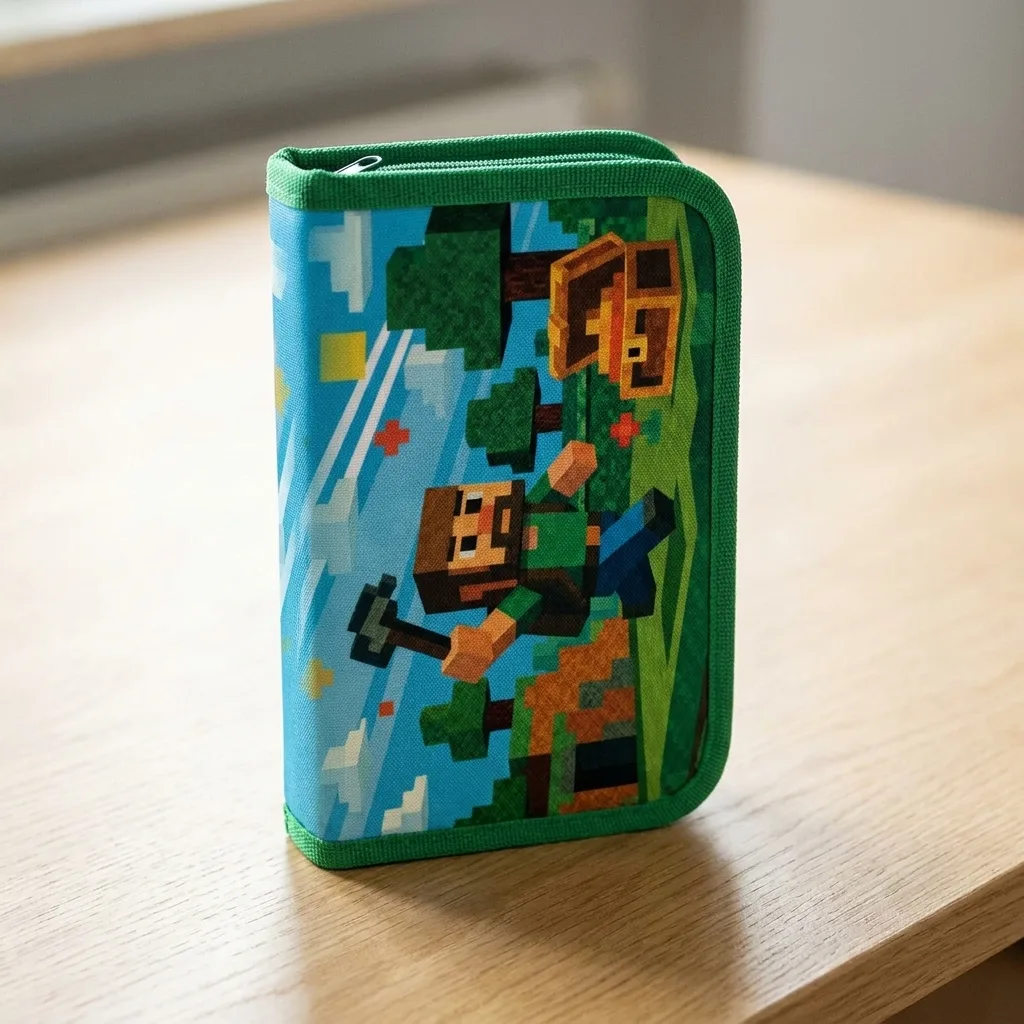
itenga Filled Pencil Case Boys (Pixel Design)

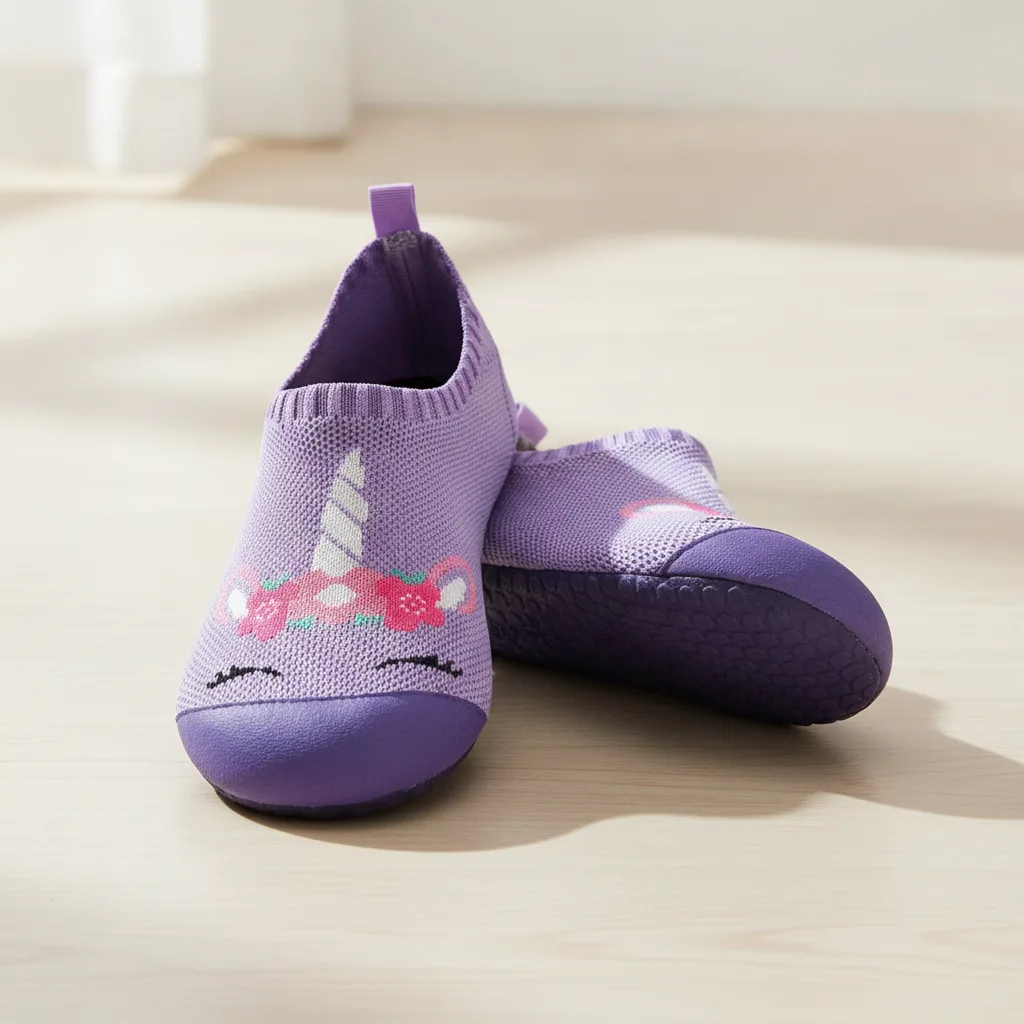
Kyopp Kids Slippers Barefoot Shoes
As an Amazon Associate I earn from qualifying purchases.