Right to Repair: New EU Rules Take Effect on July 31, 2026
What consumers should know now about household appliances, electronics, and smartphones
 AI-generated
What changes on July 31, 2026
With the transposition of EU Directive 2024/1799, consumers in Germany get a direct repair claim against the manufacturer for the first time starting July 31, 2026 – not just against the retailer, as before. This applies even after the standard statutory warranty has expired.
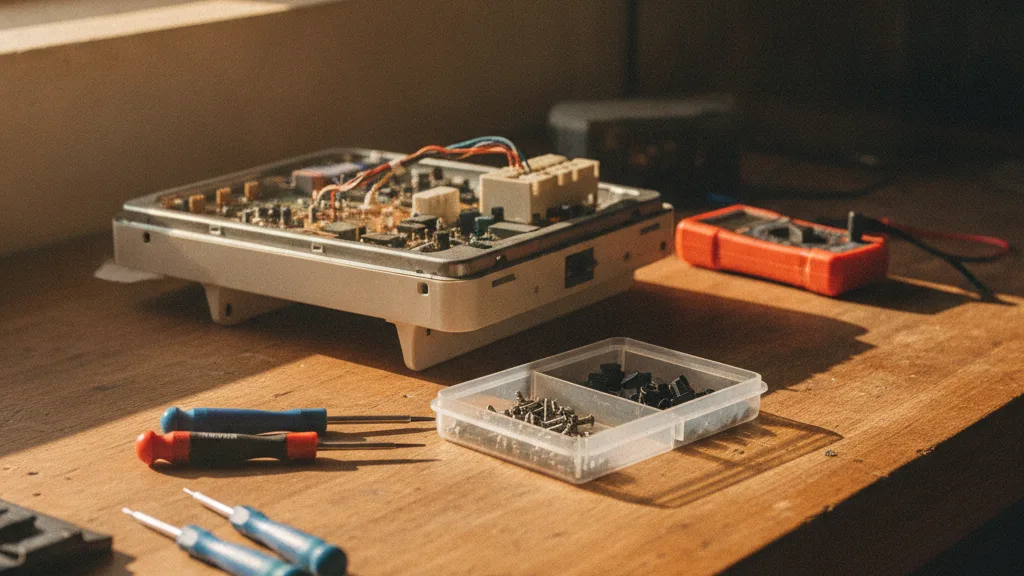
Core idea of the reform: repairing should become easier, more predictable, and more transparent – manufacturers can no longer avoid responsibility through missing spare parts or inflated prices.
 AI-generated
Which devices are affected?
The new rules apply to a range of everyday devices found in almost every household:
- Dishwashers
- Washing machines and tumble dryers
- Refrigeration appliances
- TVs and monitors
- Smartphones, tablets, and cordless phones
- Vacuum cleaners and robot vacuums (here without a spare-parts obligation)
Many smaller everyday devices such as toasters, coffee machines, or headphones are not covered.
| Product group | Manufacturer spare-parts obligation |
|---|---|
| Dishwasher, washing machine, dryer, fridge/freezer | Yes |
| TV, monitor | Yes |
| Smartphone, tablet, cordless phone | Yes |
| Vacuum cleaner, robot vacuum | No (general repair claim only) |
The key new rights at a glance
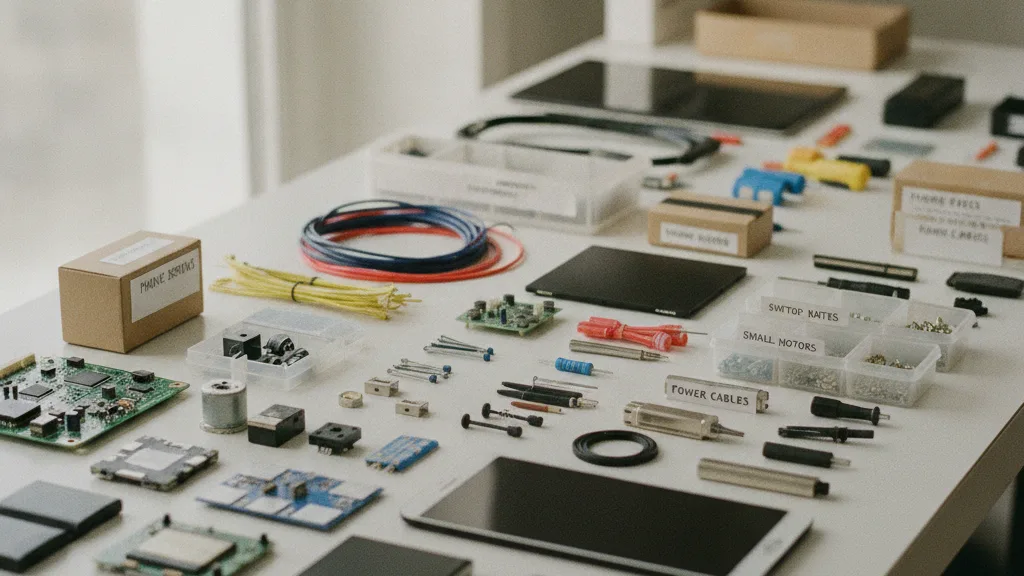
Spare parts for years: Manufacturers must provide spare parts for 7 to 10 years, counted from when the respective model was last sold – not from the individual purchase date. So owners of older devices can potentially still benefit for a long time.
 AI-generated
Transparent repair prices: Manufacturers will have to publicly publish typical repair costs. Prices may not be set so high that they effectively discourage consumers from repairing.
Longer warranty when choosing repair over replacement: Consumers who opt for a repair instead of a replacement when a defect occurs get the warranty period extended from 2 to 3 years. This applies to contracts concluded on or after July 31, 2026.
What this means in everyday life
For buyers of household appliances and electronics, this shifts the balance between repair and new purchase a little. Anyone with a broken device in the future can more easily find out whether – and at roughly what price – a repair is possible, and will rely less on the retailer alone.
Especially for durable, more expensive devices like washing machines, refrigerators, or larger TVs, the new spare-parts obligation could pay off: a defect after the warranty expires no longer has to mean the end of the appliance.